

.png)

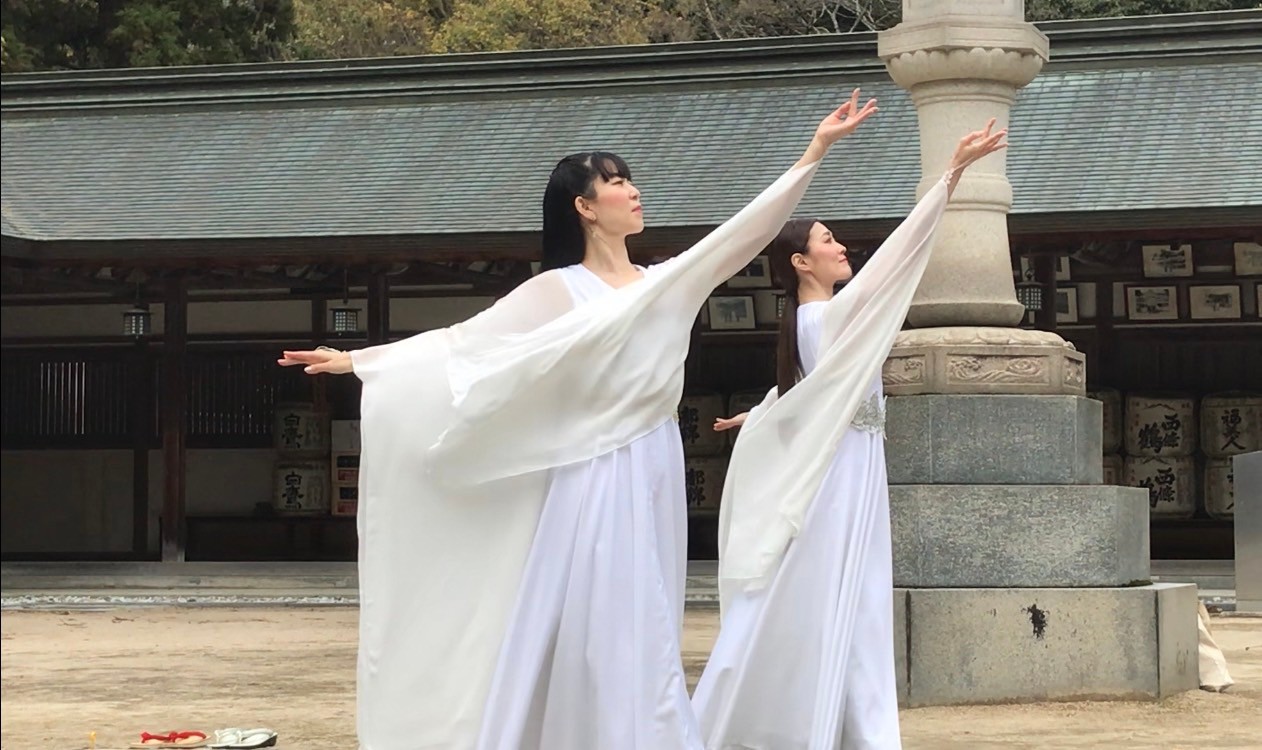
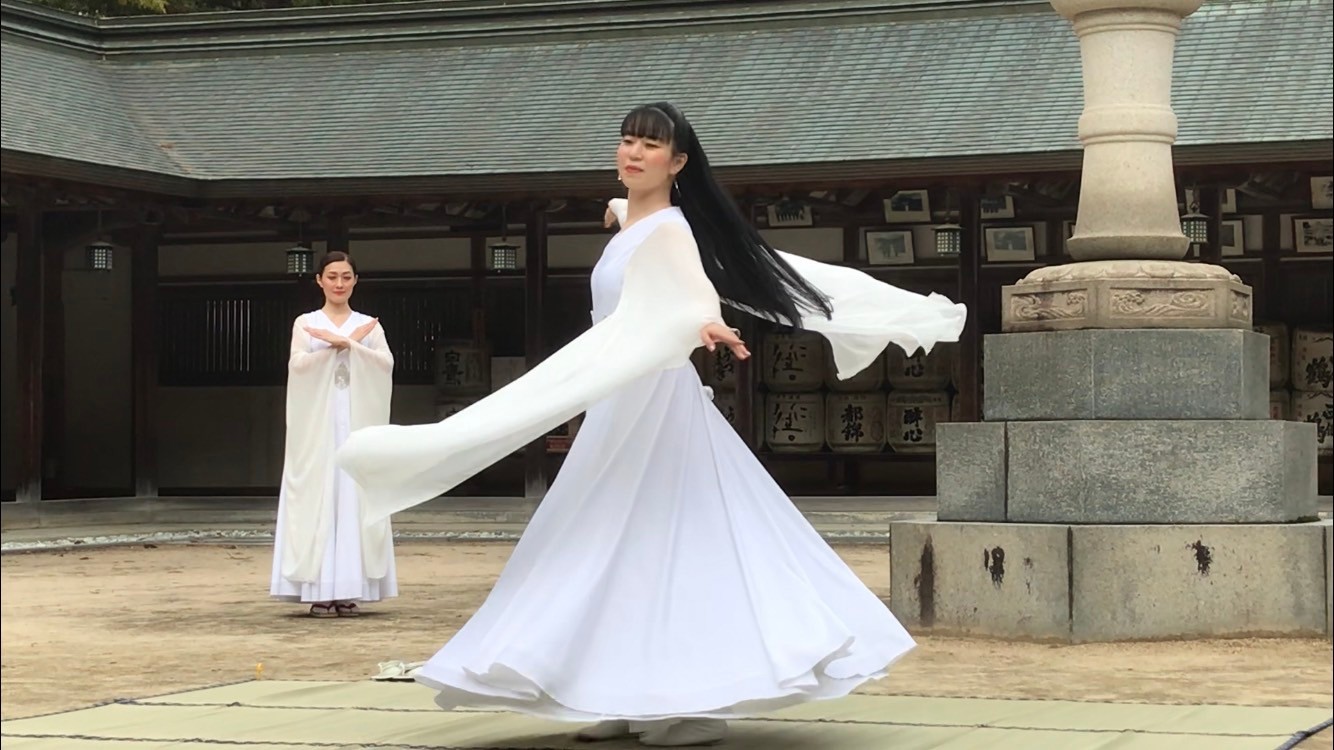
Nippon Matsuri no Sato offered a dance at the Niiname Festival at Ōyamazumi Shrine in Imabari, Ehime.
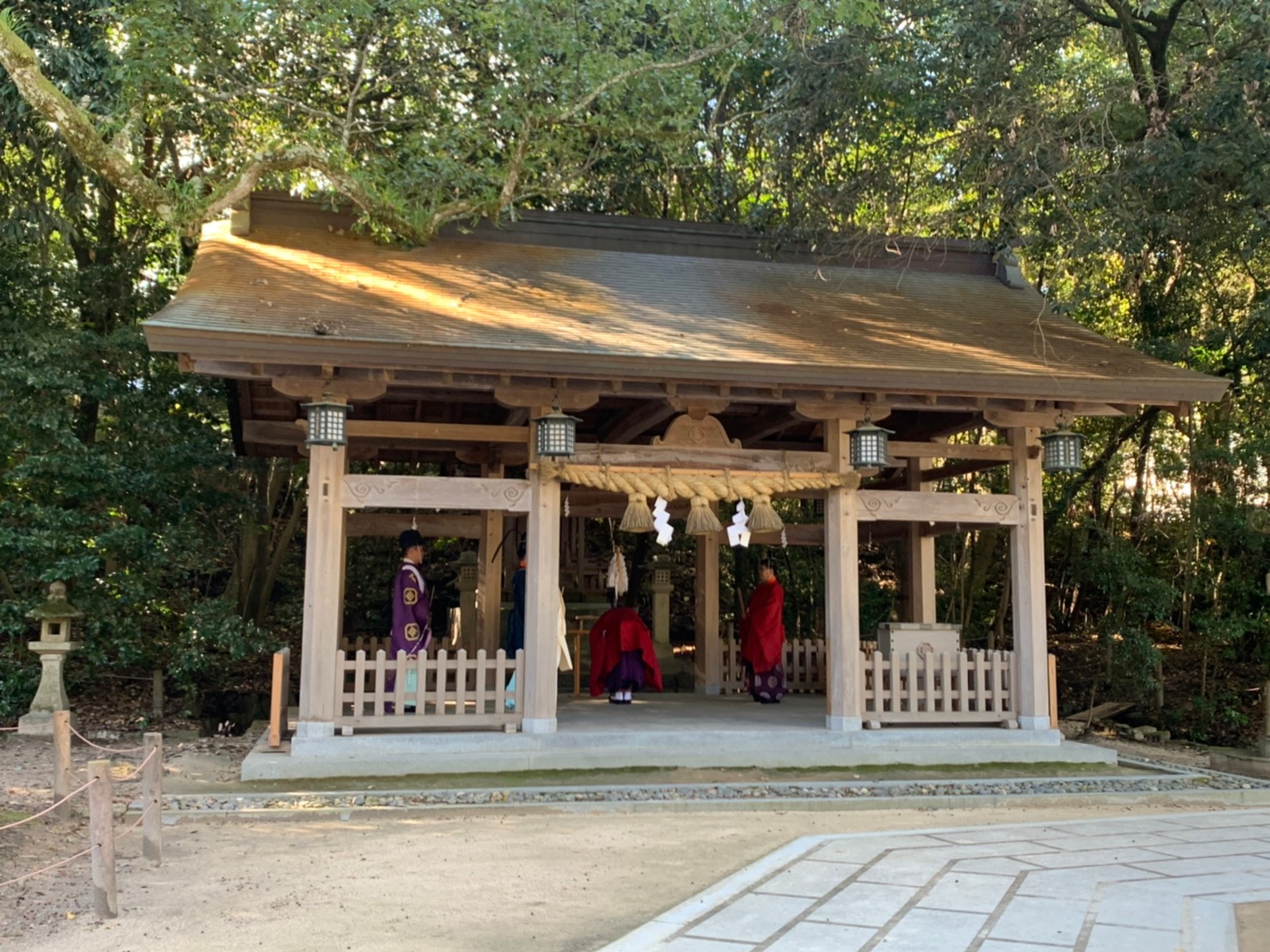
Niinamesai is a harvest thanksgiving festival, the counterpart to Kinensai, at which people pray for an abundant harvest. At Niinamesai on November 23, the first ears of rice cut at the Nukihosai ceremony are offered to the deities in gratitude. At the Imperial Palace, the Emperor offers the new grain to Amaterasu Ōmikami and the other deities and also partakes of it.
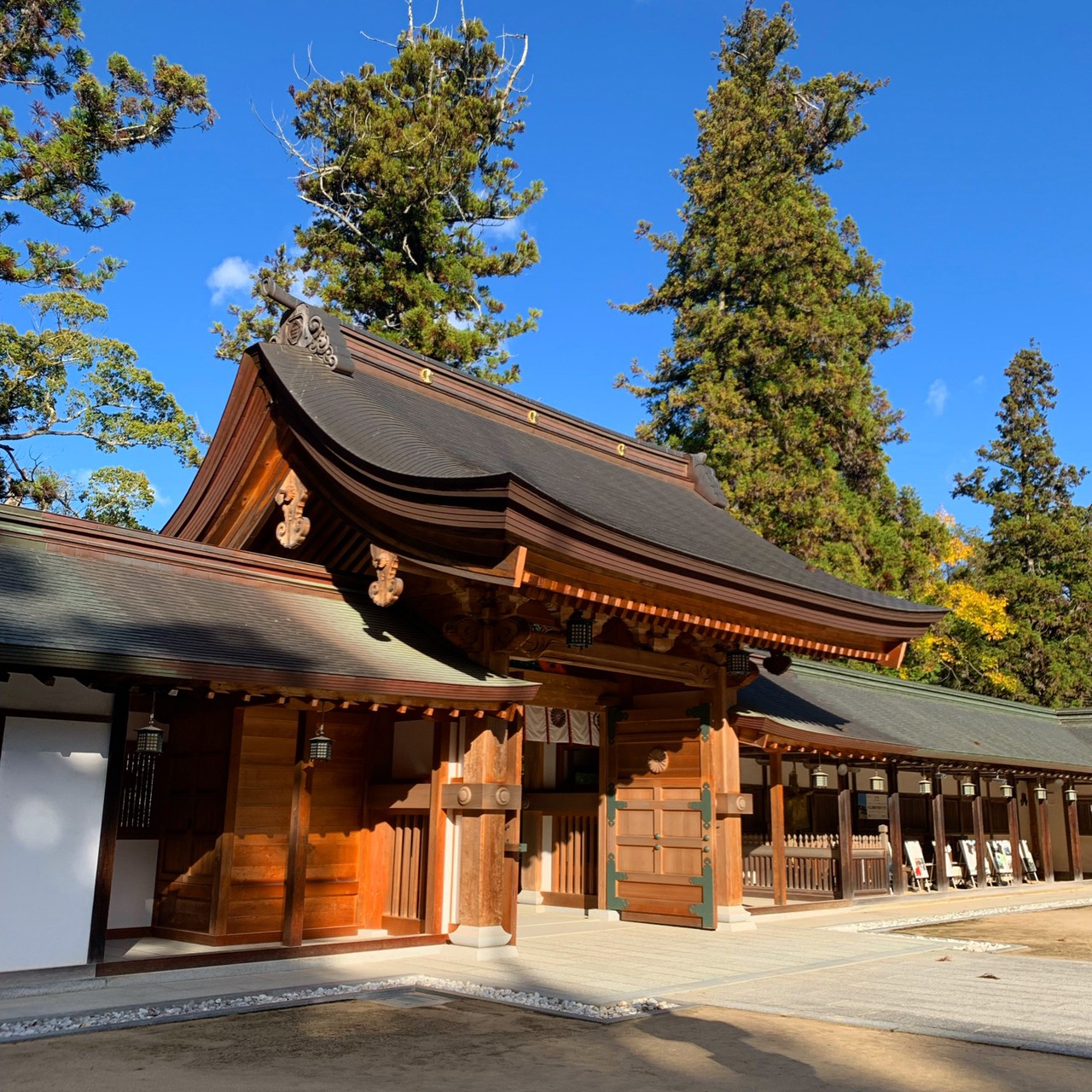
Host shrine: Ōyamazumi Shrine, a guardian shrine of Japan
Chief shrine of Iyo Province and formerly a major national shrine
Ōyamazumi Shrine stands on Ōmishima, the largest of the Geiyo Islands, near the middle of the Seto Inland Sea. The island is at the northern tip of Ehime, in the heart of Setonaikai National Park and midway along the Shimanami Kaidō route between Imabari, Ehime, and Onomichi, Hiroshima.
The shrine enshrines Ōyamazumi Ōkami, regarded as the elder brother of Amaterasu. The Kojiki and Nihon Shoki describe him as a mountain deity. The Iyo no Kuni Fudoki calls him Ōyamazumi, also known as Watashi no Ōkami. He is revered as a deity of mountains, the open sea and seafaring.
According to tradition, Ochi no Mikoto, a descendant of Ōyamazumi Ōkami, crossed to Shikoku before Emperor Jimmu’s eastern expedition and enshrined the deity on Ōmishima. Ōyamazumi is the father of Konohanasakuya-hime, who married Ninigi no Mikoto. Branch shrines throughout Japan honor him as an ancestor of the imperial family through marriage and a deity associated with the founding of Japan.
The main sanctuary enshrines Ōyamazumi no Kami.
The Kamitsu-yashiro subsidiary shrine enshrines Ōikazuchi no Kami and a female deity.
The Shimotsu-yashiro subsidiary shrine enshrines Takaokami no Kami and a female deity.
In this tradition, the main sanctuary and the two subsidiary shrines are worshipped together as Ōyamazumi Shrine.
Dance: Meisōmai (Kaori Horii and Yukari Baba)
Offering: Nippon Matsuri no Sato